
2 days ago | By Charlotte Windsor, Editor, Health & Lifestyle
Why this medicinal mouth spray has been one of the most popular weight loss products on the market since October 2025.

MS Spray is currently being marketed as a side-effect-free alternative to weight-loss injections.
It started with a few Instagram stories...
...then the internet exploded: a medical mouth spray called "MS Spray" is currently being hailed as the first genuine natural alternative to Mounjaro (the so-called "weight loss injection") and similar products.
No injections, no prescription and no need to spend thousands of pounds every month.

Within just six weeks, the manufacturer's website is partially unavailable for hours at a time.
Thousands of users post their results every day: 10, 15, 20 kilos less – and that's with a completely normal diet and only 2 applications per day.
What do doctors say? Can a mouth spray be an effective alternative to injections?

Endocrinologist Dr James Harrington has been testing MS Spray Metabolism on over 180 patients in his practice since spring 2025.
The results so far (not yet published):
- Average weight loss of 11.6 kg in 12 weeks
- 9 out of 10 users report that emotional eating and food cravings have completely disappeared
- No side effects such as nausea, vomiting or diarrhoea (weight loss injections usually affect 1 in 5 users. This special spray does not cause these side effects).
- Also works for PCOS, hypothyroidism and people over 55
According to Dr Harrington, the effect is based on the patented ‘MS Phase Complex’:
The formula specifically dissolves the outer shell of overfilled fat cells, allowing the body to break down and burn the stored fat naturally – without slowing down the metabolism, as is the case with injections.
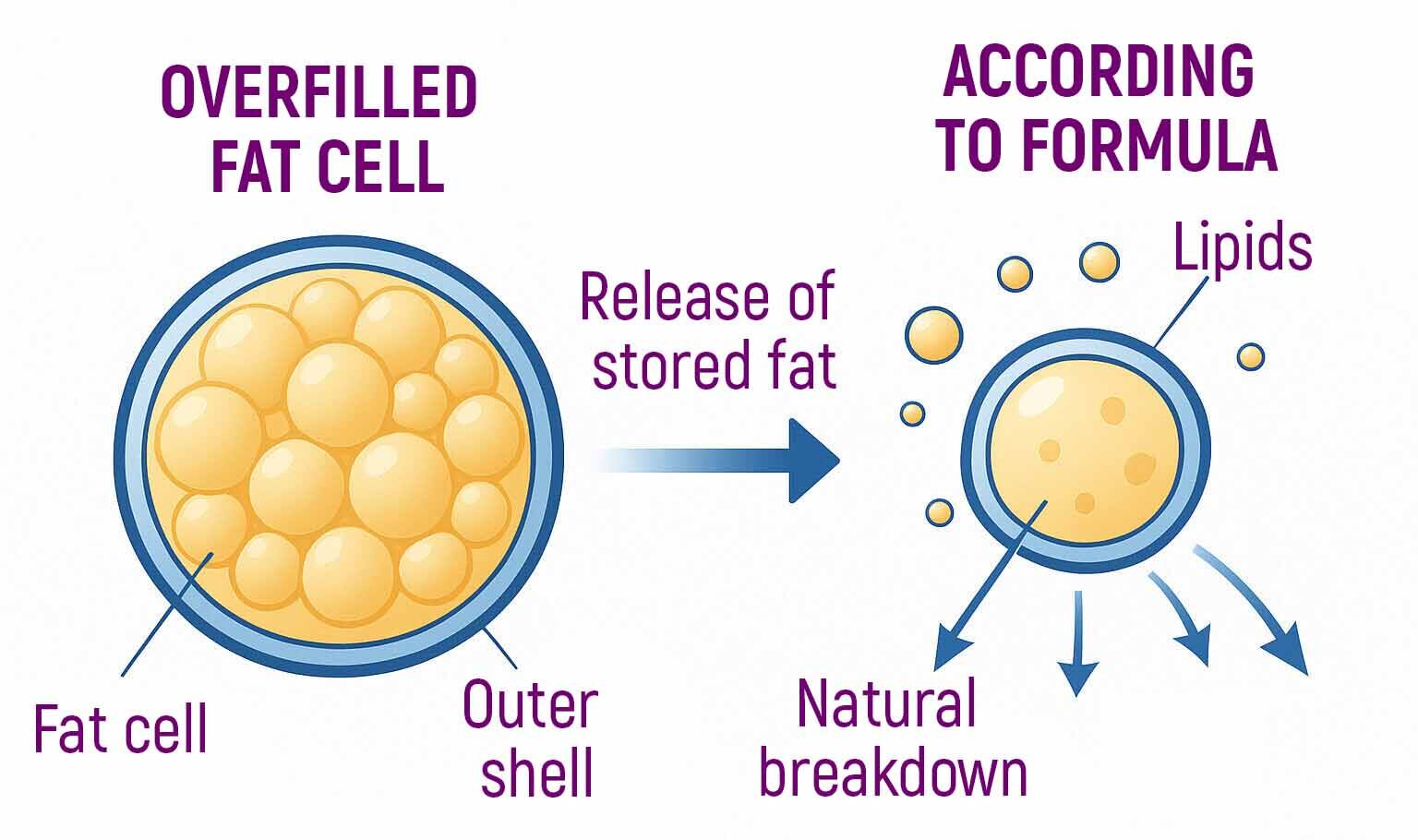
A second active ingredient (a highly concentrated derivative) blocks ghrelin signals in the brain, causing appetite to normalise on its own.
(Note: Ghrelin is the ‘hunger hormone’ that is produced when the stomach is empty and constantly tells the brain to ‘Eat now! Preferably something fatty and sweet!’ This is precisely why cravings become worse and worse during normal diets.)
Already over 100,000 users since October 2025
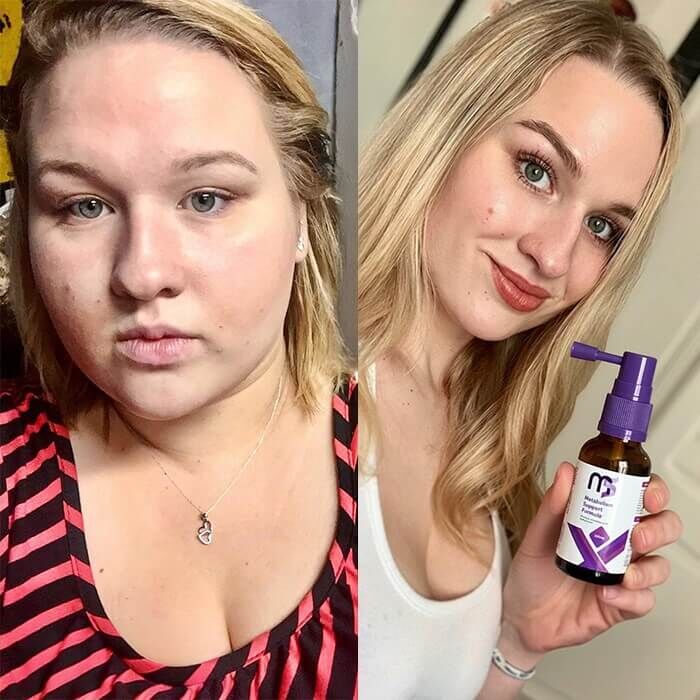
I noticed the first change after just two weeks.
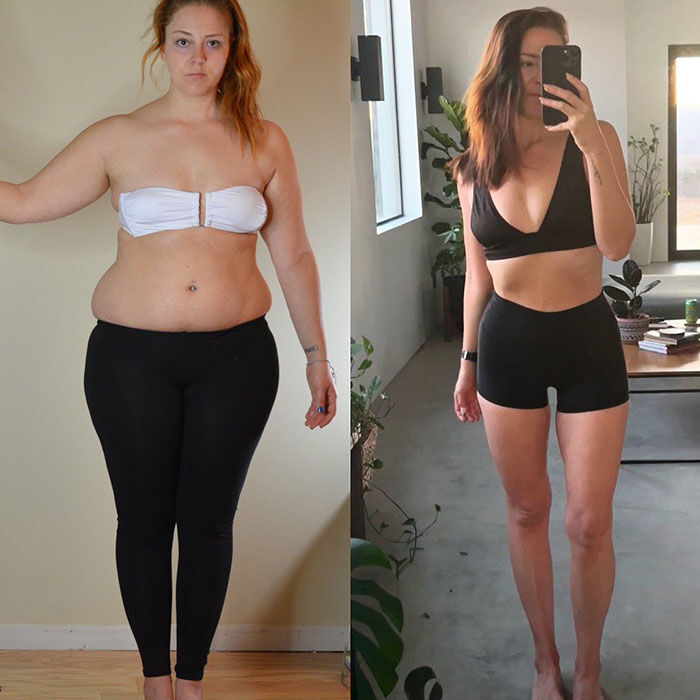
Sophie (24) from Cardiff
For years, I struggled with my weight in vain until I finally wanted to give up.

"The spray was recommended to me as an alternative to the injection because it has the same effect but fewer side effects.
And since I'm very afraid of needles, it wasn't really an option for me."
"I used the MS Spray for 3 months (twice daily) and lost 24 kilograms during that time. I had no side effects."

Sophie after using MS Spray for 3 months.
Why is it considered a "natural alternative to Mounjaro"?
Because it does exactly what Mounjaro & Co. artificially enforce with injections – only naturally: the bioidentical peptides activate the same satiety and fat-burning mechanisms as tirzepatide, but without synthetic chemicals, without a prescription and without the brutal side effects.
Instead of sticking a needle in your stomach every week, 10 sprays a day are enough – and your body loses weight as if it were back in its natural balance.
One pack (enough for about 4 weeks) costs just £55 – instead of £1,200 or more, which Mounjaro injection users pay each month.
Why this medical mouth spray outshines everything else – according to medical studies
Clinical trials involving a total of 1,800 participants, which prove the effectiveness of the product, were published in the summer of 2025.
In another recent clinical trial involving over 500 participants, those who used the spray regularly lost an average of 7.5 kilograms more weight per month than participants in the control group.

Studies on MS Spray have also attracted considerable interest in Denmark.
The results were similarly impressive, with many of the 1,300 participants recording significant weight loss that was clearly attributable to using the spray.
The Danish studies showed an average weight loss of approximately 8.3 kilograms per month among those who took MS Spray regularly.
The studies showed that the individual active ingredients are particularly effective when absorbed directly through the oral mucosa.
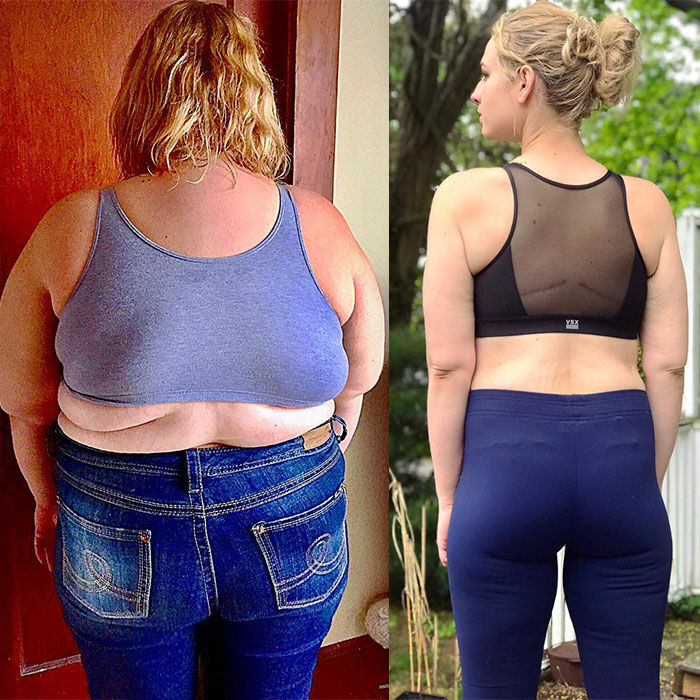
Lucy (Manchester) – 22 kilograms
Social media is full of success stories
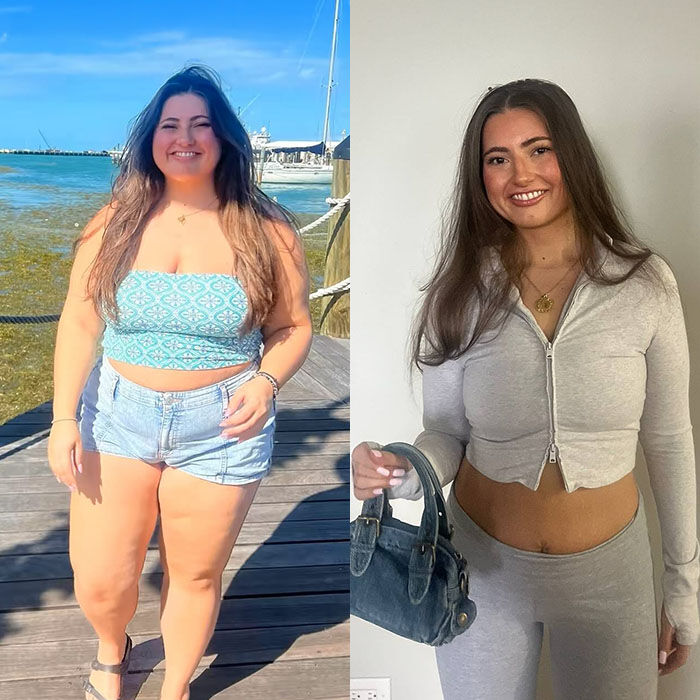
Anna (Birmingham) - 21 kilograms
Maria (Liverpool) – 21 kilograms

Victoria (Belfast) – 24 kilograms
MS Spray is available over the counter in United Kingdom without a prescription.
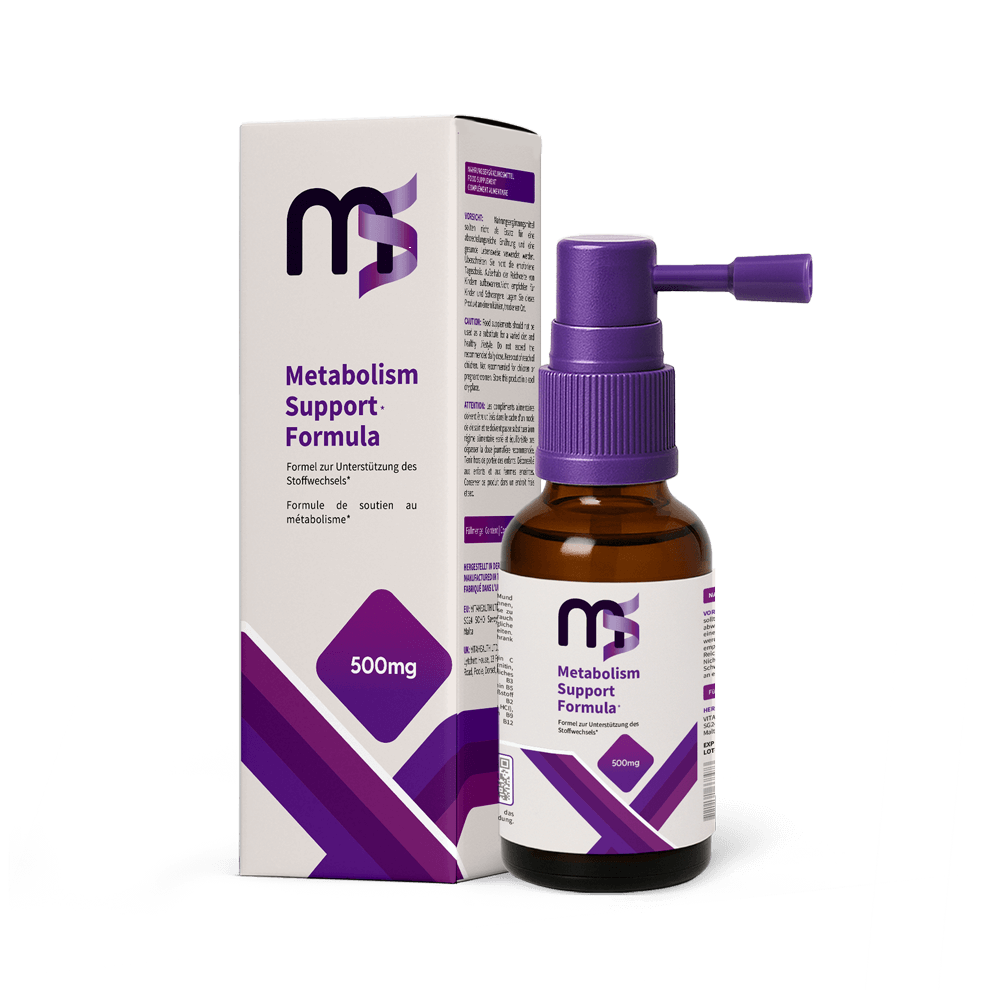
Currently, one pack (for one month) is available from £36.95 → on the manufacturer's website for MS Spray.
The product is available over the counter and no longer requires a prescription.
As of December 2025
13 CommentsAdd comment

I find the spray incredibly tasty and it is just as effective as the injections. I am so glad that I no longer have to take the injections. Simply great.
Answer · 12 · Like · Follow · 01.12.2025

I got this Munjarospray three days ago from my friend who didn't need it anymore, and you can really tell how effective it is at curbing your appetite and stopping cravings. The taste is OK too. I thought it would taste medicinal, but it tastes more like purple berry-flavoured fruit yoghurts. ❤️ LG
Answer · 15 · Like · Follow · 02.12.2025

I lost 6 kilos in a month. But I must have forgotten to take it about 4 times 😂
Answer · 6 · Like · Follow · 03.12.2025

Just ordered... let's see what happens...
Answer · 2 · Like · Follow · 03.12.2025

Hey! How long did the delivery take for you?
Answer · 1 · Like · Follow · 05.12.2025
Hi... it took two days for me and then they were there... I've only been able to use it four times so far, but it doesn't taste bad and I'm not hungry anymore. I love it 🤩🤩
Answer · 4 · Like · Follow · 05.12.2025

Do I have to avoid certain foods when taking this treatment?
Answer · 1 · Like · Follow · 04.12.2025

I also used MS Spray and lost 19 kg. I haven't gained any weight back. Simply fantastic.
Answer · 4 · Like · Follow · 05.12.2025

A friend recommended this to me and I am extremely satisfied with the product. It is also easy to use. I have not experienced any side effects. It is very pleasant for me.
Answer · 8 · Like · Follow · 05.12.2025

I've been taking the treatment for 15 days now and I'm really surprised because I've already lost 4 kilos without doing any exercise, and the kilos are still gone. With more exercise, the kilos will definitely come off even easier, give it a try.
Answer · 2 · Like · Follow · 06.12.2025

Can men use it too?
Answer · 1 · Like · Follow · 06.12.2025

Sure. My boyfriend used it and it worked really well for him, so now I've started using it too.
Answer · 1 · Like · Follow · 06.12.2025

I am really excited about the spray. I can't swallow pills and I can't stand the sight of needles. I always faint when I have blood taken... But with this, I have no problem at all and I've already lost 3 kilos.
Answer · 1 · Like · Follow · 06.12.2025